

Sunstone
Sunstone: A Detailed Gemstone Information Guide
Are you intrigued by the sunstone’s dance of light and rumoured restorative powers? A stone of legend and vitality, sunstone has charmed societies for centuries with its sunset hues and rich history. Feldspars, which make up more than half of the Earth's crust and are composed of aluminum and silicates, include sunstone as one of their varieties. In this comprehensive guide, learn how sunstone has been used to symbolize freedom and vitality and why it continues to be a gem favoured for its potential to bring light to the shadows of the mind and invigoration to the spirit.
Key Takeaways
-
Sunstone is a feldspar crystal associated with light and energy originating from the earth’s crust or volcanic lava. It is known for its unique iridescence and trichroic qualities due to mineral inclusions such as hematite, pyrite, goethite, and copper.
-
The historical significance of sunstone spans cultures and time, used as a navigation tool by Vikings and considered sacred in various ancient civilizations, with properties that symbolize divinity and creativity across many mythologies.
-
Sunstone has diverse healing properties, predominantly associated with the sacral and solar plexus chakras. It is believed to bring joy, emotional balance, personal power, and creativity while repelling negativity and fostering confidence and independence.
-
Due to its softness, feldspar jewelry requires special care. It is important to avoid exposing feldspar jewelry to high heat or sudden changes in temperature. Additionally, feldspar is an affordable replacement stone if damage occurs.
Exploring the Radiance of Sunstone
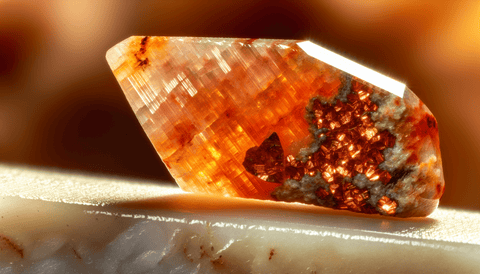
Sunstone is a captivating feldspar crystal with mesmerizing iridescence beneath its surface. Originating from the earth’s crust or volcanic lava remnants, this crystal embodies a complex and enchanting triclinic system. The sunstone meaning is often attributed to the play of light within it, an effect caused by the presence of other minerals, such as:
-
hematite
-
pyrite
-
goethite
-
sometimes even copper
Feldspar stones in jewelry require proper care and cleaning due to their unique characteristics, including their hardness and stability.
As light cascades over the sunstone, warm shades of red, orange, brown, and yellow spark to life, echoing the hues of a setting sun and capturing the essence of sunlight itself. The sunstone healing properties extend beyond its visual splendour, offering a connection to the ancient energies of our world and the celestial bodies above.
The Allure of Oregon Sunstone
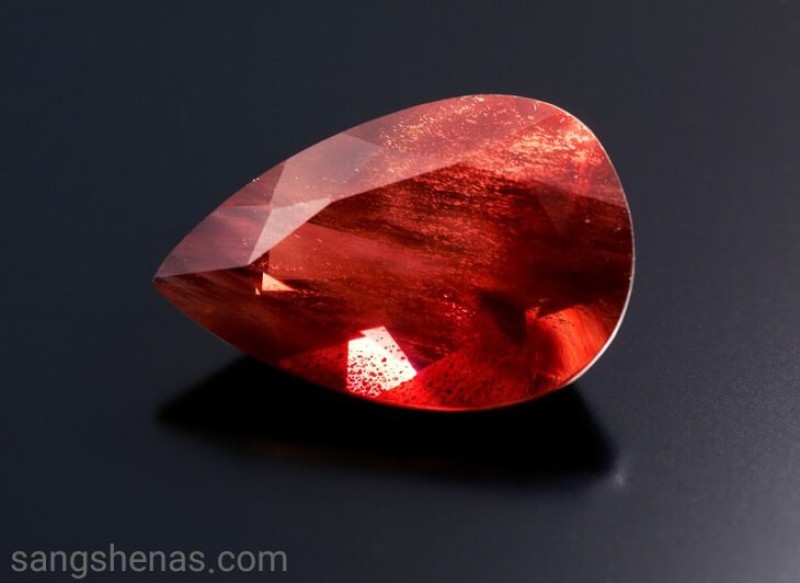
The Oregon sunstone, characterized by its unique sparkle and rich colour palette, is a testament to nature's artistic brilliance. From the dusky reds and oranges to the serene greens and blues, the hues of the Oregon sunstone crystals form a spectrum as varied as the landscapes from which they emerge. These sunstone crystals, with their copper inclusions, create an optical phenomenon known as pleochroism, displaying colours that shift and shimmer with the stone's movement.
Oregon sunstones with strong, evenly distributed aventurescence are highly sought after. Their intense red or green hues mark them as jewels of exceptional worth. The sparkle of the Oregon sunstone crystal is unmatched, with the Schiller effect produced by its distinctive copper inclusions setting it apart from all other varieties and solidifying its coveted status in the world of gemstones.
The unique presence of copper endows the Oregon sunstone with a radiance that has captivated collectors and enthusiasts alike, making it a significant and treasured addition to any gemstone collection.
Aventurine Feldspar vs. Orthoclase Feldspar Sunstone
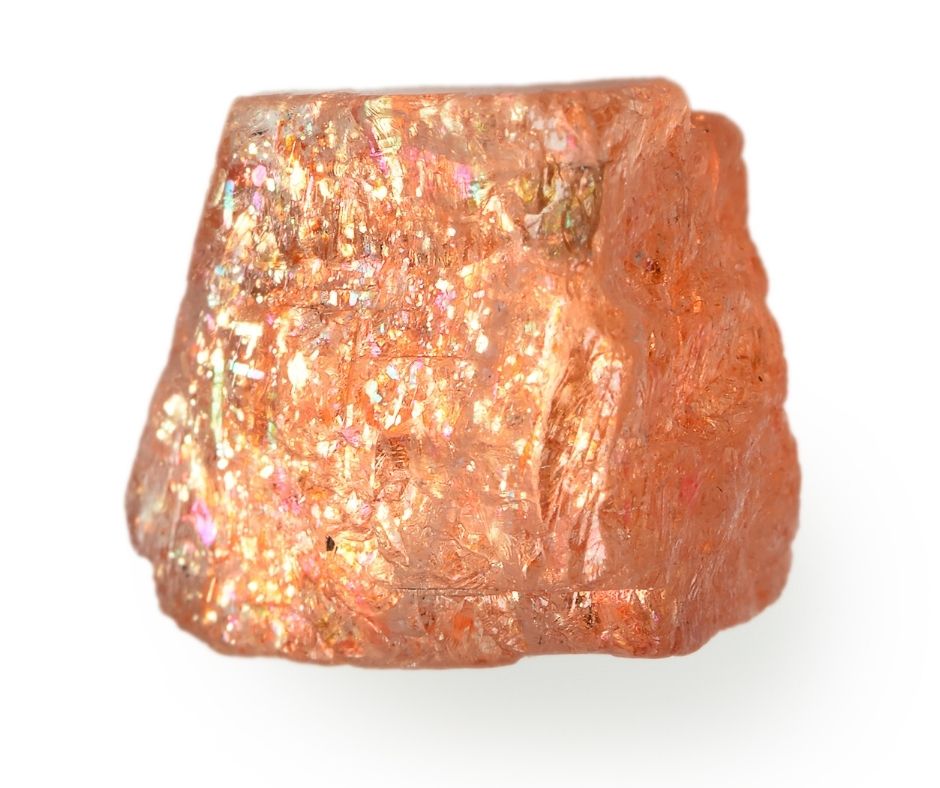
The comparison between aventurine feldspar and orthoclase sunstone reveals a fascinating tale of two stones, each boasting its unique allure. Orthoclase sunstone, a potassium-rich member of the feldspar minerals family, gleams with a transparent yellow hue, while aventurine feldspar, blending calcium and sodium, boasts a sunny glitter set against a red-brown body colour. The sparkly, metallic lustre known as aventurescence is particularly notable in aventurine feldspar, resulting from reflective inclusions that give the stone its characteristic schiller. Each sunstone variety, whether belonging to the aventurine feldspar group or the orthoclase sunstone classification, displays distinct visual effects, a testament to the type and size of the mineral inclusions they harbour. These tiny inclusions, varying from stone to stone, are the artists behind the mesmerizing sunstone canvas, painting a portrait of light and colour that is as diverse as it is breathtaking. Rainbow lattice sunstone, composed of orthoclase feldspar, stands out for its unique lattice pattern and iridescent play of colours. This rarity and visual appeal set it apart from other feldspar minerals like rainbow moonstone, making it highly desirable among gem and crystal collectors.
Moonstone vs Sunstone: What's the difference?
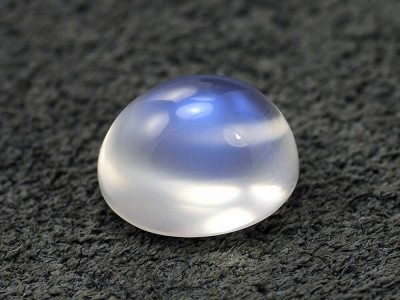
Moonstone and sunstone, both members of the feldspar family, possess unique characteristics that distinguish them. Moonstone typically appears in shades of white, gray, blue, peach, and pink, with a prized blue sheen due to its adularescence, which gives it a moonlit glow. It is associated with emotional balance, intuition, femininity, and fertility, making it a popular choice in jewelry and spiritual practices. In contrast, sunstone ranges from pale yellow to deep red, orange, and brown, displaying a glittery aventurescence caused by tiny inclusions of copper or hematite. Known for boosting energy, vitality, joy, and optimism, sunstone is linked to the Solar Plexus Chakra and is also used in jewelry and crystal healing. While moonstone is connected to the moon and feminine energy, Sunstone is associated with the sun and personal power, each offering unique metaphysical benefits and visual appeal.
Sunstone's Historical Journey
Join us on a historical journey with sunstone, a gem with a legacy that stretches across empires and eras, from the reign of Emperor Tiberius to being used as adornments by ancient civilizations. Sunstone's journey through history is as colourful as the gem itself, with its use as a decorative element in jewelry, talismans, and amulets by global cultures. The sunstone deposits have yielded treasures that connect us to the sun gods and the light they represent, with the name ‘sunstone' possibly originating from the Old Norse word ‘sunna.'
Islamic art and architecture have celebrated sunstone, with Prophet Muhammad speaking of its virtues and inclusion in mosque windows and decorative objects. The spiritual symbolism of sunstone extends to the Vairocana Buddha family, representing generosity and warmth. At the same time, myths and legends across cultures, from Vikings to Ancient Greeks, imbue the stone with mystical properties. It is a stone entwined with deities from Egyptian, Greek, Hindu, and Roman mythologies, such as:
-
Ra
-
Helios
-
Surya
This reinforces its status as a symbol of divine power and creativity.
Related Blog
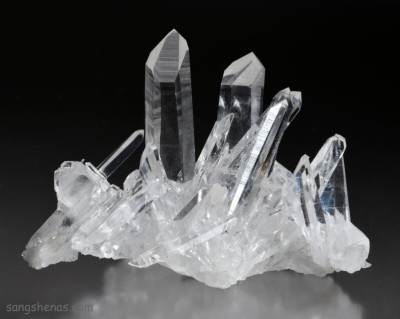
Crystal Stone
The word rock crystal is derived from the Greek word "krystallos" and since the quartz crystal stone was transparent and colorless, the Greeks, who used the properties of quartz crystal stone in the past, thought that these crystals were liquids that Out of the heart of the mountain, they have turned into ice forever and will not melt! It is also known by names such as mountain crystal or Alaskan diamond. In Farsi, it refers to the transparent quartz crystal stone "Dor Kohi", which means a pearl that is extracted from the mountain and refers to the purity and whiteness of this stone. Bilur Kohi is its older name, which has become a mountain door.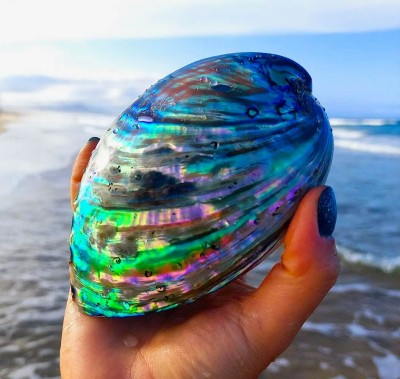
Abalone shell
Shells have been used for decoration and ornaments since ancient times. Pearls and abalone shells have bright and iridescent colors. Abalone belongs to the phylum of molluscs and the order of Gastropoda. Abalone oysters have been highly valued as a food source for Pacific Rim cultures, and their meat is considered a delicacy. The Maori people of New Zealand call it Pāua. The name abalone is derived from the Spanish word abulón. Because of their ear-like shape, the Spanish called this sea mollusk as oreja de mar, which means "ear of the sea".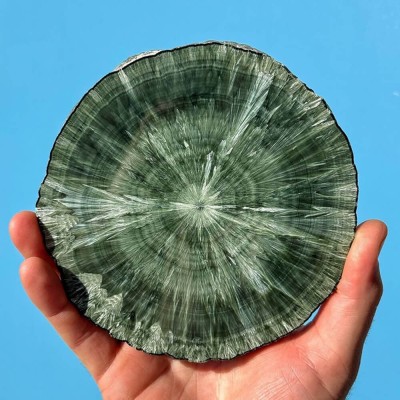
Seraphinite
Seraphinite is a type of clinochlore with a dense and fine-grained texture and belongs to the chlorite group. Often called green chlorite, it is usually a rich dark forest green with silvery, feathery mica-like shimmer. Rarely, it can appear in red, yellow, gold, or black varieties. The name of the seraphinite stone is derived from the Greek word seraphim, which means "winged celestial being", because it has a feather-like and iridescent fibrous texture. The fibers look like feathery silver wings that fly within a gem of dark forest green. This is why the meanings of the seraphinite stone are deeply tied to the heavens.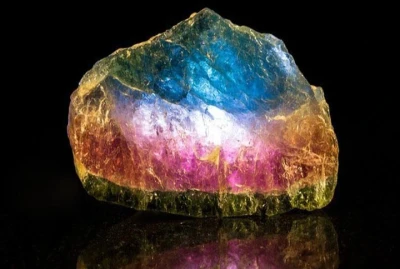
Tourmaline Stone
Tourmaline is a stone with hexagonal crystals and a hardness of 7 to 7.5, which can be found in different colors. This variety of colors has caused it to be confused with different stones in the past. The properties of tourmaline stone are used in metaphysics and chakra therapy. What we learn in this article: What is the history of tourmaline stone and what are the characteristics of this mineral? Where are the reserves of this mineral in Iran and the world? What are the types of this gem? How is the valuation and price of tourmaline stone determined? What is the method of identifying natural and original tourmaline? What are the properties of this gem? So stay with us to answer these questions.