

Tourmaline Stone
About Tourmaline Stone
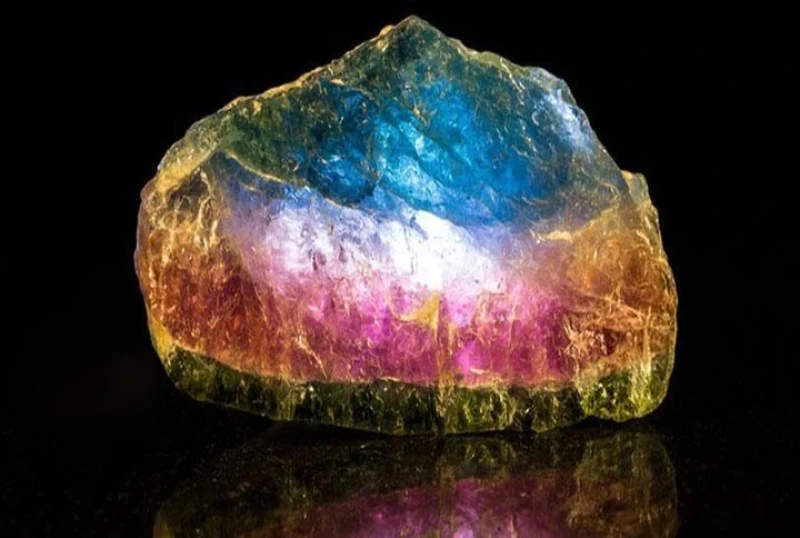
Tourmaline is a semi-precious gemstone with a color to suit every personality. Because of their impressive color range, ancient legends claim tourmalines traveled on a rainbow and collected all its colors.
Another stone known for its rainbow-like hues is the opal, which happens to join tourmaline as an October birthstone!
Any astrology lovers out there? Tourmaline is Libra’s zodiac stone! As the sign of balance, Libras will love tourmaline’s wide variety. Some Libras might lean toward pink or red; after all, they’re ruled by Venus, the planet of love.
Did someone say love? Tourmaline is the traditional gemstone to commemorate your 8th wedding anniversary! Tourmaline jewelry is the perfect gift to celebrate, and those looking for a more masculine option can find handsome black tourmaline jewelry as well.
Mineral Characteristics
Tourmaline gemstones are a boron silicate mineral, though, the term tourmaline also refers to a group of minerals with widely varied compositions.
The reason for tourmaline’s varied compositions is isomorphous replacement, a process where some silicon is replaced by other elements, but the crystal structure stays the same.
The most common elements added through isomorphous replacement are aluminum, magnesium, iron, and copper. The range of chemical compositions means some tourmaline mineral properties (like color, refractive index, and density) may differ between stones.
On the Mohs mineral hardness scale, tourmalines range from 7 to 7.5, making them slightly harder than quartz.
One common property among all tourmalines is pyroelectricity and piezoelectricity. P-what? The processes involve conducting electricity under heat or pressure, respectively. Some tourmalines show impressive magnetism, caused by the presence of iron and/or manganese.
Did you know that tourmaline encompasses 30+ minerals? So, which tourmaline species are important to know? Keep reading to find out!
Tourmaline Varieties
The first key categories are tourmaline’s most common species: schorl, dravite, and elbaite.
Schorl
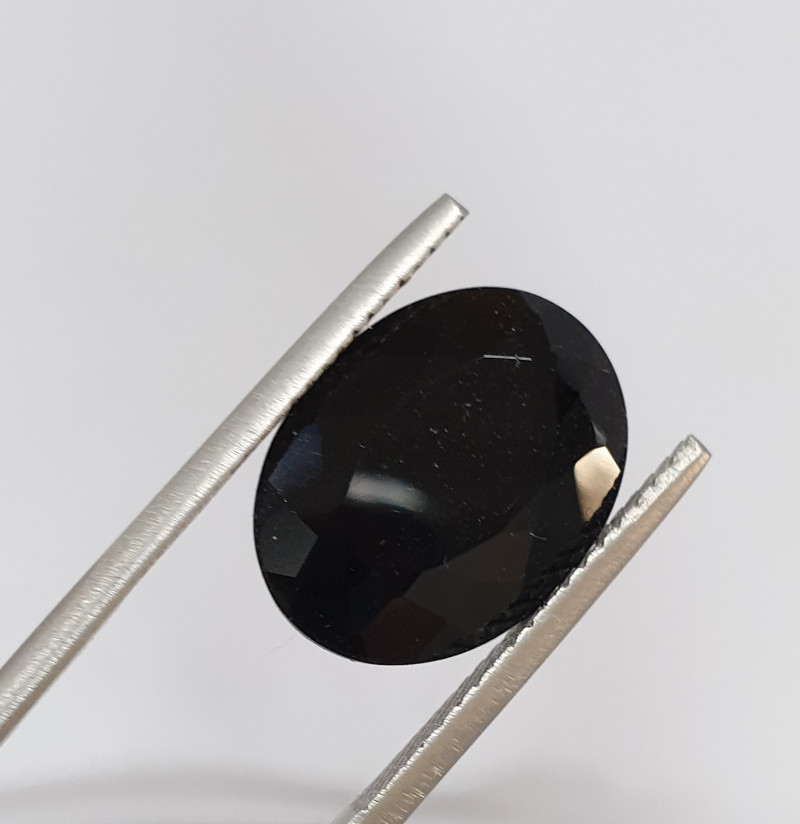
The most common tourmaline species, schorl is sodium- and iron-rich and makes up at least 95% of natural tourmaline. Named after the former title of German village Zschorlau, schorl is brown to black, and includes the popular black tourmaline.

Dravite
Named after the European Drava river locale, dravite contains sodium and magnesium. It may go by “brown tourmaline,” though its colors include dark red, yellow, light cyan, deep green, yellow, black, and even colorless.

Elbaite
Elbaite is the most common gem-quality species and contains lithium, sodium, and aluminum. Named after Italy’s Elba Island, elbaite may be colorless, red, pink, blue, green, or a combination of colors.
Within each species are plenty of distinct varieties, but here are the primary ones you’ll see on the market:
-
Chrome Tourmaline: Tanzania’s rare vivid-green dravite variety.
-
Indicolite: Predominantly blue elbaite variety from Brazil found in light and dark shades.
-
Paraíba Tourmaline: Brazil’s intensely saturated neon-blue to blue-green or violet elbaite variety that’s often heavily included.
-
Rubellite: Saturated pink to ruby-red variety that may have purple, brown, or orange undertones and are usually elbaites.
-
Sunset Tourmaline: A gorgeous gradient of pink and orange that mimics the sunset
-
Verdelite: Green elbaite variety often called “Brazilian emerald” or “Ceylonese peridot” for its source and color-resemblance.
-
Watermelon Tourmaline: Bi-colored pink and green elbaite variety, typically with a pink center and green border, sometimes separated with a colorless layer between the two.
Now that we’ve covered the different types of tourmaline gemstones, let’s go over the stone’s mineral characteristics.
Related Blog
Sunstone
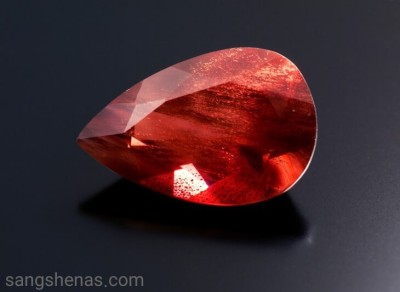
Sunstone is particularly popular among creative jewelry designers and especially among people in areas where it is mined commercially. This is not a stone found in any jewelry store. Many jewelry buyers have never seen this stone, but once you show someone a sunstone, they are often intrigued and want to try it. If a jeweler takes a moment to educate the buyer about its phenomenon, he can easily sell it.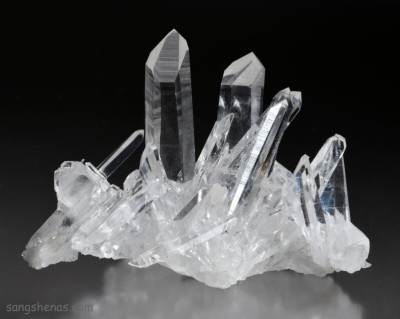
Crystal Stone
The word rock crystal is derived from the Greek word "krystallos" and since the quartz crystal stone was transparent and colorless, the Greeks, who used the properties of quartz crystal stone in the past, thought that these crystals were liquids that Out of the heart of the mountain, they have turned into ice forever and will not melt! It is also known by names such as mountain crystal or Alaskan diamond. In Farsi, it refers to the transparent quartz crystal stone "Dor Kohi", which means a pearl that is extracted from the mountain and refers to the purity and whiteness of this stone. Bilur Kohi is its older name, which has become a mountain door.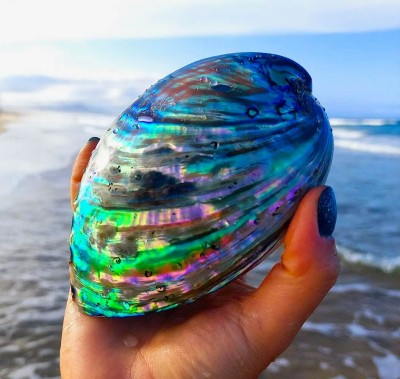
Abalone shell
Shells have been used for decoration and ornaments since ancient times. Pearls and abalone shells have bright and iridescent colors. Abalone belongs to the phylum of molluscs and the order of Gastropoda. Abalone oysters have been highly valued as a food source for Pacific Rim cultures, and their meat is considered a delicacy. The Maori people of New Zealand call it Pāua. The name abalone is derived from the Spanish word abulón. Because of their ear-like shape, the Spanish called this sea mollusk as oreja de mar, which means "ear of the sea".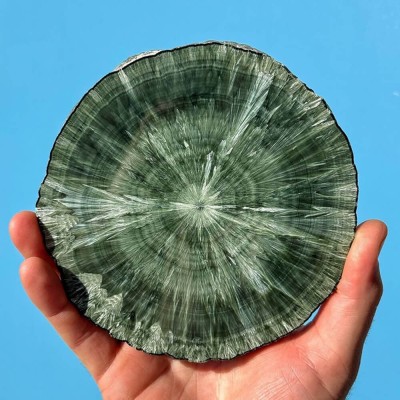
Seraphinite
Seraphinite is a type of clinochlore with a dense and fine-grained texture and belongs to the chlorite group. Often called green chlorite, it is usually a rich dark forest green with silvery, feathery mica-like shimmer. Rarely, it can appear in red, yellow, gold, or black varieties. The name of the seraphinite stone is derived from the Greek word seraphim, which means "winged celestial being", because it has a feather-like and iridescent fibrous texture. The fibers look like feathery silver wings that fly within a gem of dark forest green. This is why the meanings of the seraphinite stone are deeply tied to the heavens.